When Comparison Steals Your Peace
Why we compare in the first place
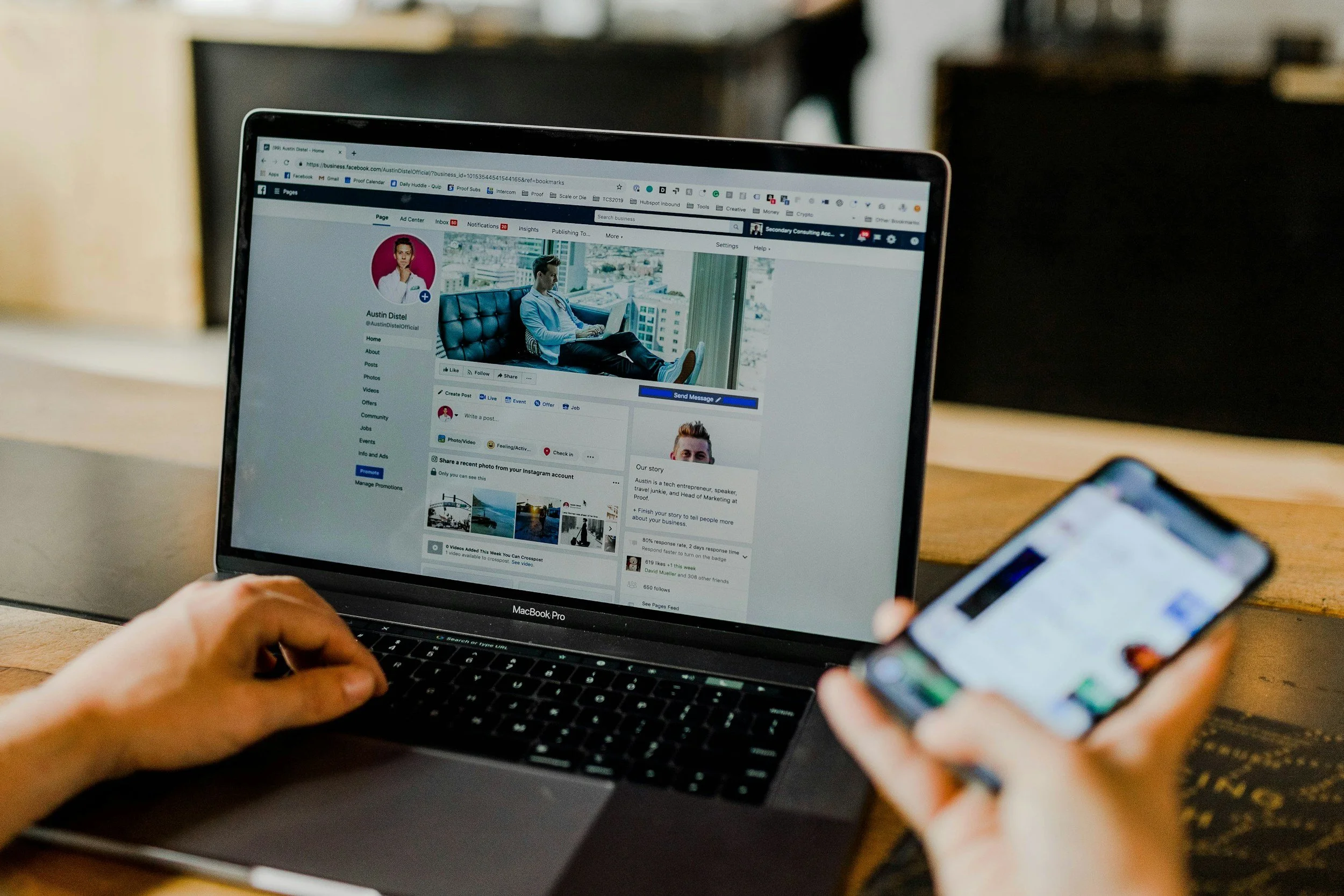
Comparison is a normal human reflex. Our brains are wired to scan for where we stand, socially, emotionally, even physically. In small doses, it can motivate growth. But in today’s world, especially with constant exposure to curated lives online, comparison can quietly shift from helpful to harmful.
How comparison can hurt your mental health
When comparison becomes a habit, it often stops being neutral and starts becoming critical.
It fuels anxiety and overwhelm
You may start to feel like you’re always behind or not doing “enough,” even when you’re doing a lot.
It distorts reality
We tend to compare our full, messy lives to someone else’s highlight reel. That’s not a fair comparison but it still impacts how we feel.
It reinforces shame-based beliefs
Thoughts like “I’m not good enough,” “I should be doing more,” or “Everyone else has it together” can become louder over time.
It disconnects you from your own values
Instead of asking “What do I want?”, comparison keeps you focused on “What are they doing?”
Why what you tell yourself matters
At the core of comparison is self-talk. The meaning you assign to what you see determines how you feel.
Two people can see the same situation and have completely different reactions:
“She’s doing better than me. I’m failing.” → anxiety, shame
“She’s doing well. That’s her path, mine is different.” → neutrality, even inspiration
Your thoughts are powerful. Not because they’re always true but because they shape your emotional experience.
How to change comparison patterns
If you find yourself comparing often, the goal isn’t to “never compare again.” It’s to notice it and respond differently.
1. Catch it without judgment
Instead of criticizing yourself for comparing, simply notice it:
“I’m comparing right now.” Awareness is the first step.
2. Reality-check the thought
Ask:
Is this a full picture or a snapshot?
Am I assuming something I don’t actually know?
3. Redirect to your values
Bring the focus back to you:
What matters to me right now?
What kind of parent/partner/person do I want to be?
4. Limit triggers when needed
If certain environments (often social media) intensify comparison, create boundaries. Less exposure can mean less mental noise.
5. Practice self-compassion
Talk to yourself the way you would talk to a friend:
Replace “I’m failing” with “I’m doing the best I can in a hard moment.”
6. Celebrate small wins
Comparison makes progress invisible. Intentionally notice what is going well, even if it feels small.
Why this work matters
Chronic comparison doesn’t just affect mood, it shapes identity. Over time, it can make you feel like you’re never enough, no matter what you do.
Shifting this pattern helps you:
Feel more grounded and less anxious
Make decisions based on your values, not pressure
Build a more stable sense of self-worth
A gentle reminder
There is no universal timeline for life. No single “right way” to do relationships, parenting, success, or healing.
The more you come back to your own path and challenge the story that you’re falling behind, the more space you create for peace.
