I Yelled at My Kid. Am I a Bad Parent? Understanding the Fear of Causing Trauma
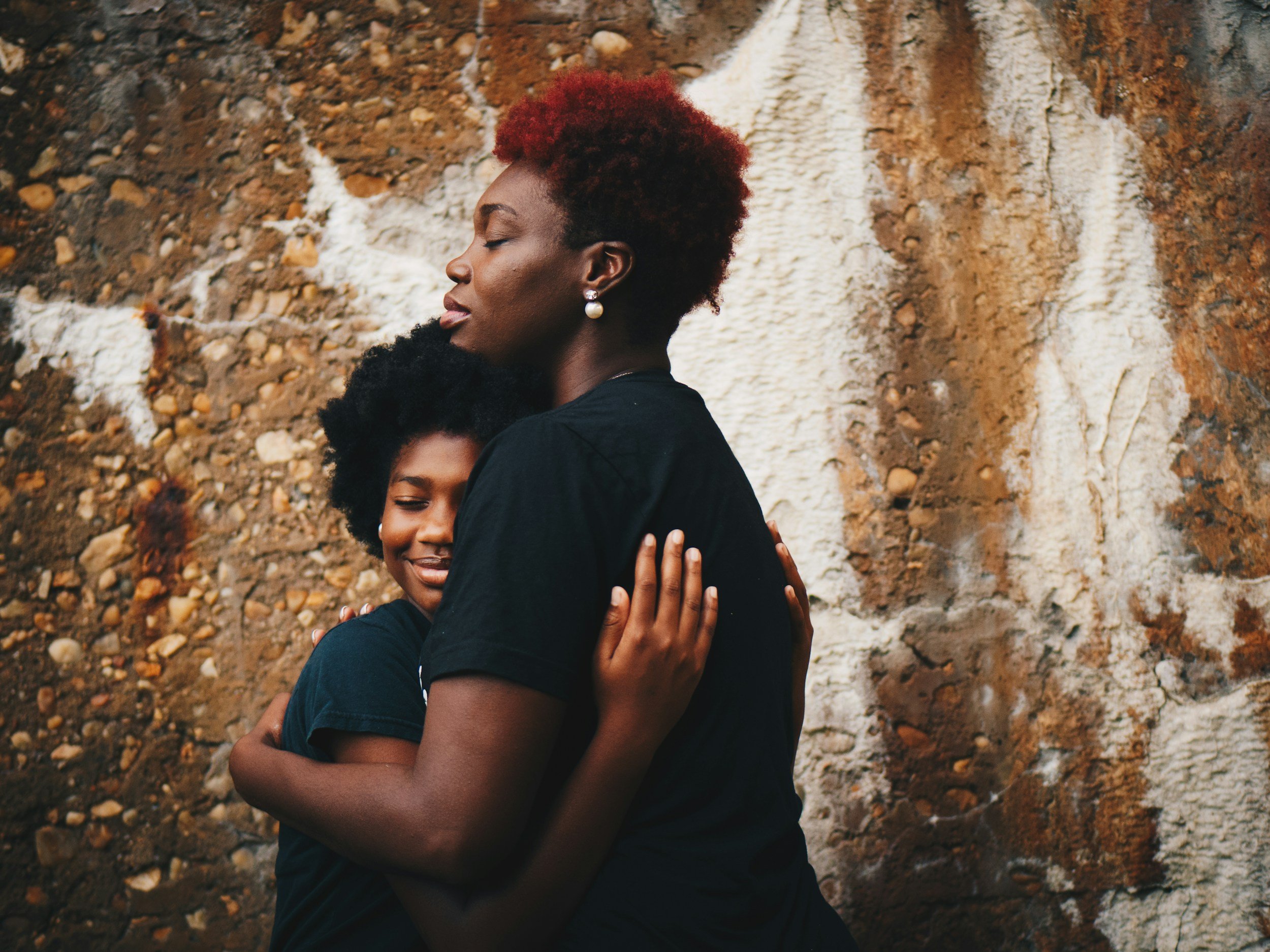
If you’ve ever raised your voice at your child and immediately felt a wave of guilt, you’re not alone.
Many parents today carry a deep fear:
“What if I just caused trauma?”
“What if I messed them up?”
“Am I a bad parent?”
The fact that you’re even asking those questions says a lot about your care and awareness.
Let’s take a breath and talk about what trauma actually is and what it isn’t.
What Trauma Typically Looks Like
Trauma can come from a single overwhelming event. But more often, trauma develops through repeated experiences over time.
It is not usually one moment of frustration.
It is patterns.
Trauma tends to take root when a child consistently experiences:
Ongoing fear without comfort
Repeated emotional neglect
Chronic unpredictability
Persistent shame or humiliation
No safe adult to help regulate emotions
Trauma forms when there is distress without repair.
One moment of yelling, followed by reconnection, does not typically create the deep roots of trauma. Patterns without safety are what create those roots.
Why Yelling Feels So Big to Parents
We live in a time where parents are more informed than ever. We understand nervous systems. We understand attachment. We understand emotional safety.
And that awareness is beautiful.
But sometimes that awareness can turn into fear. We begin to believe that any mistake equals damage.
Children do not need perfect parents.
They need regulated enough parents who repair.
The Power of Repair
Research and decades of attachment theory tell us something important:
Repair is more powerful than perfection.
If you yell and then later say:
“I was really frustrated. That wasn’t the best way to handle it. I’m sorry I raised my voice.”
You are teaching:
Accountability
Emotional awareness
Conflict repair
That relationships can handle mistakes
That is not trauma. That is modeling growth.
When Yelling Becomes a Pattern
It is important to be honest too.
If yelling is frequent, intense, unpredictable, or paired with shame, threats, or fear that can impact a child’s nervous system over time.
The key difference is consistency and repair.
A child who feels safe overall can tolerate occasional parental dysregulation. A child who feels unsafe most of the time cannot.
If You Yelled, Here’s What To Do
Instead of spiraling into shame, try this:
1. Regulate Yourself First
Take a few breaths. Step away if needed. Calm nervous systems calm nervous systems.
2. Repair Clearly
Keep it simple:
“I shouldn’t have yelled. I was feeling overwhelmed. I’m working on better ways to handle that.”
No over-explaining. No guilt dumping.
3. Teach the Skill
Later, problem-solve together:
“What can we both do next time things feel big?”
4. Look at the Pattern
If yelling is happening often, ask:
Am I overwhelmed?
Am I unsupported?
Am I exhausted?
What do I need?
Sometimes the work is not fixing the child. It is supporting the parent.
You Are Allowed to Be Human
Children benefit from parents who:
Try
Reflect
Apologize
Grow
Not parents who never raise their voice.
Trauma is rooted in chronic fear, disconnection, and lack of repair, not a single imperfect moment.
If you yelled at your child and felt bad afterward, that guilt is likely coming from love.
And love, especially when paired with repair, is protective.
If this resonates with you, you are not alone. Parenting is hard. Growth is possible. And one hard moment does not define you or your child’s future.
