Breastfeeding and Mental Health: What No One Tells You About the Emotional Side
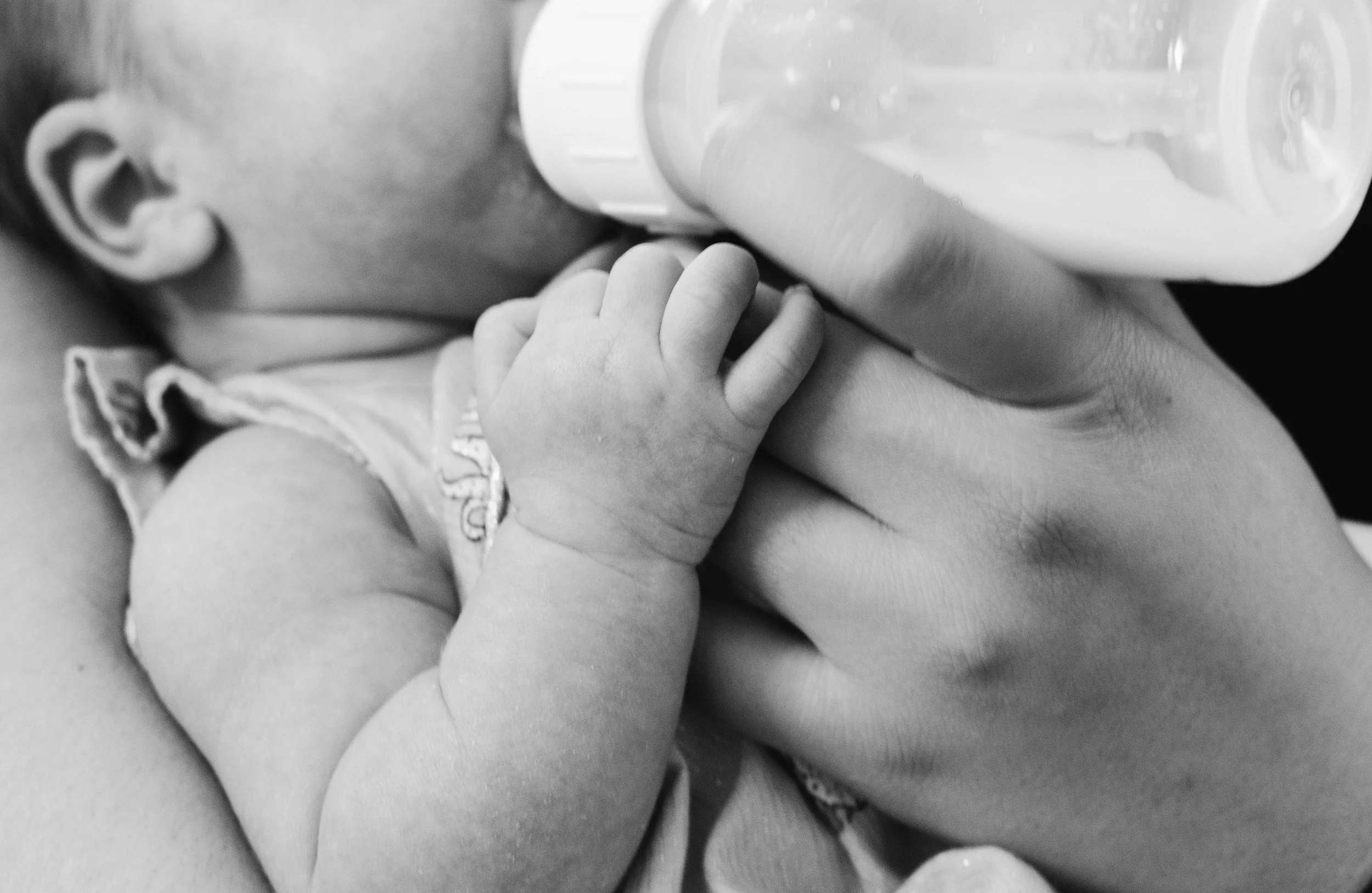
Breastfeeding is often talked about in terms of nutrition and bonding, but its impact on mental health is just as important. For many parents, breastfeeding brings unexpected emotional responses. Some feel calm and connected, while others notice increased anxiety, sadness, irritability, or emotional overwhelm. Both experiences are valid.
Breastfeeding involves significant hormonal shifts, physical demands, sleep disruption, and identity changes. These factors can influence mood, emotional regulation, and overall mental wellbeing in ways that are not always discussed.
Why breastfeeding can affect mental health
Breastfeeding triggers the release of hormones such as oxytocin and prolactin. Oxytocin can promote bonding and relaxation for some parents, but for others, hormonal fluctuations can increase emotional sensitivity. Rapid hormone changes after birth, combined with exhaustion and stress, can intensify anxiety or depressive symptoms.
Some parents also experience a brief wave of sadness, irritability, or dread right before milk letdown. This is a real and physiological response related to dopamine changes and does not mean something is wrong emotionally or psychologically.
Different emotional experiences across stages
In the early postpartum period, breastfeeding can feel overwhelming. Parents may experience pressure to feed a certain way, fear about milk supply, and heightened anxiety around their baby’s wellbeing. Sleep deprivation alone can significantly impact mental health during this stage.
As babies grow, breastfeeding can shift emotionally. For some parents, it becomes comforting and familiar. For others, it begins to feel physically and emotionally draining. Around six to twelve months, parents may notice increased frustration, feeling touched out, or longing freedom.
Breastfeeding beyond the first year can bring mixed emotions. Some parents feel closeness and connection, while others feel trapped, overstimulated, or conflicted about continuing. Social pressure, judgment, and internal guilt can further complicate the emotional experience.
When breastfeeding feels mentally difficult
Breastfeeding may negatively impact mental health if a parent feels anxious before feeds, notices mood changes after feeding, feels resentful or overwhelmed, or continues breastfeeding primarily out of guilt or fear rather than choice. These feelings are not failures. They may just be a sign of needing something different, perhaps more support.
It is also important to know that stopping or changing feeding methods can bring its own emotional reactions, including grief, sadness, or unexpected relief. Hormonal shifts during weaning can temporarily affect mood as well.
A mental health perspective
There is no single feeding choice that guarantees emotional wellbeing. Breastfeeding can support mental health for some parents and strain it for others. Formula feeding, combination feeding, or weaning can be protective decisions when mental health is struggling.
What matters most is the wellbeing of the parent. A parent who feels supported, rested, and emotionally stable is better able to care for their child than one who is overwhelmed or depleted, regardless of feeding method.
Final thoughts
Breastfeeding is a deeply personal experience that affects both body and mind. If breastfeeding makes you feel calm and connected, that matters. If it makes you feel anxious, sad, or emotionally drained, that matters too.
Support is available, and you are allowed to choose what protects your mental health. If feeding your baby is hurting your emotional wellbeing, please reach out for support. A few things that may help include:
• talking with a therapist or postpartum specialist
• sharing your feelings with a trusted support person
• exploring flexible feeding options that reduce stress
• taking breaks, resting when possible, and caring for your body
• reminding yourself that your mental health matters
